Data Engineering
No sections found
In today's data-driven world, organizations collect massive volumes of structured and unstructured data. But storing data is only half the battle - the real challenge lies in organizing, processing, and extracting value from it.
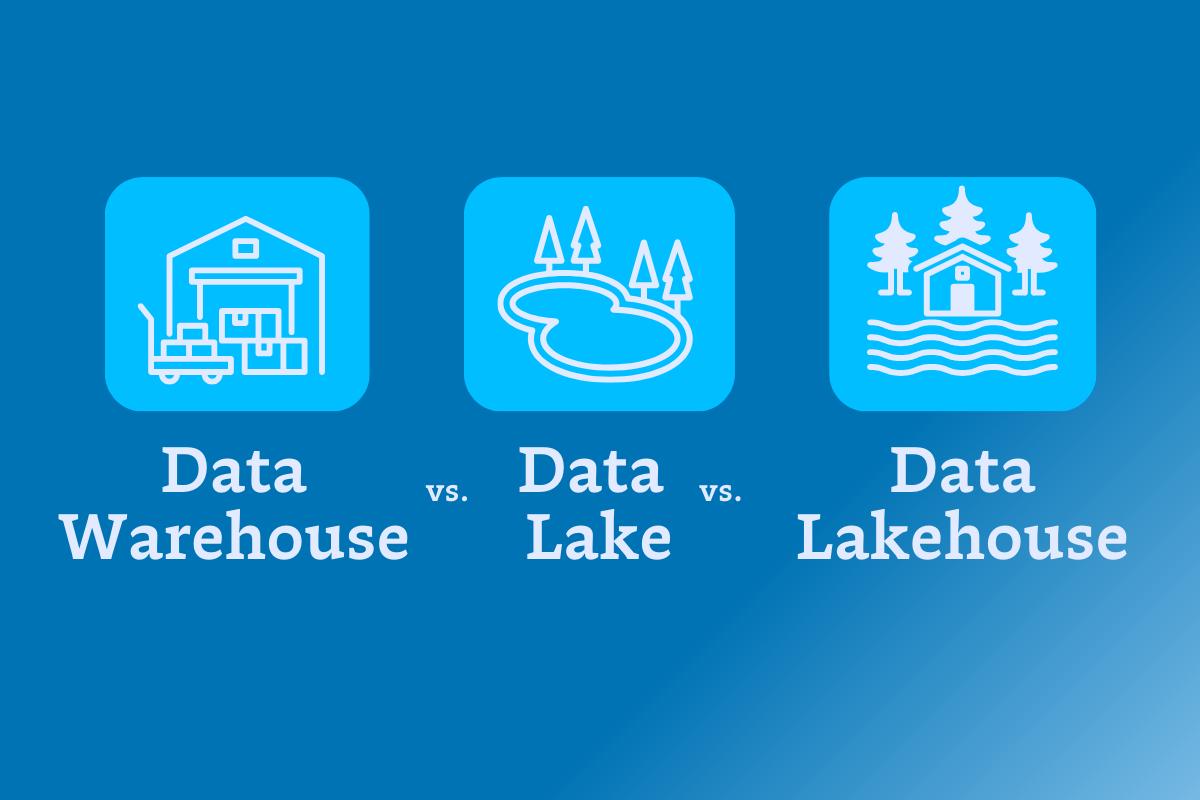
This is where Data Lakes, Data Warehouses, and Lakehouses come into play. While they may sound similar, each serves a distinct purpose and follows a different architectural approach.
Let's break them down in a practical and easy-to-understand way.
A Data Warehouse is a centralized system designed to store structured data that has already been cleaned, transformed, and organized for analysis.
Key Characteristics
Architecture
Data Sources -> ETL -> Staging -> Data Warehouse -> BI Tools

Example Technologies
Use Cases
A Data Lake stores raw, unprocessed data in its native format.
Key Characteristics
Architecture
Data Sources -> Ingestion -> Data Lake Storage -> Processing -> Analytics

Example Technologies
Use Cases
A Lakehouse combines the best of both Data Lakes and Data Warehouses.
Key Characteristics
Architecture (Medallion Model)
Bronze (Raw Data) -> Silver (Cleaned Data) -> Gold (Business-Level Data)
Example Technologies
Use Cases
| Feature | Data Warehouse | Data Lake | Lakehouse |
| Data Type | Structured | All types | All types |
| Schema | Schema-on-Write | Schema-on-Read | Hybrid |
| Cost | High | Low | Medium |
| Performance | High (BI) | Moderate | High |
| Flexibility | Low | High | Very High |
| Use Case | Reporting | ML/Big Data | Unified Analytics |
Use Data Warehouse when:
Use Data Lake when:
Use Lakehouse when:
Data Sources -> Data Lake -> Processing Layer -> Lakehouse Tables -> BI Tools + ML Models
We build high-performance web applications, mobile apps, and AI-driven systems. Let's discuss how we can help you achieve measurable growth.