WhatsApp

What is a Database? A Beginner's Guide to Understanding Databases

Enterprise-grade solutions with measurable outcomes.

What is a Database? A Beginner's Guide to Understanding Databases
Database, Data Engineering
What is a Database? A Beginner's Guide to Understanding Databases
Published: 16 Apr 2026
3–5 min read
Share
Table of Content

    Blog Content

    Introducion

    In the modern digital landscape, data plays a crucial role in powering applications, businesses, and services. From social media platforms to banking systems, large volumes of data are generated and processed every second. Efficient management of this data is essential, which is where databases come into play. It is used in Data Management Systems

    A database serves as the foundation for storing, organizing, and accessing data in a structured and efficient manner.

    What is a Database?

    A database is a system designed to store, organize, and manage data so that it can be easily accessed, updated, and maintained.

    In simple terms, a database can be described as a structured digital storage system that enables efficient data handling.
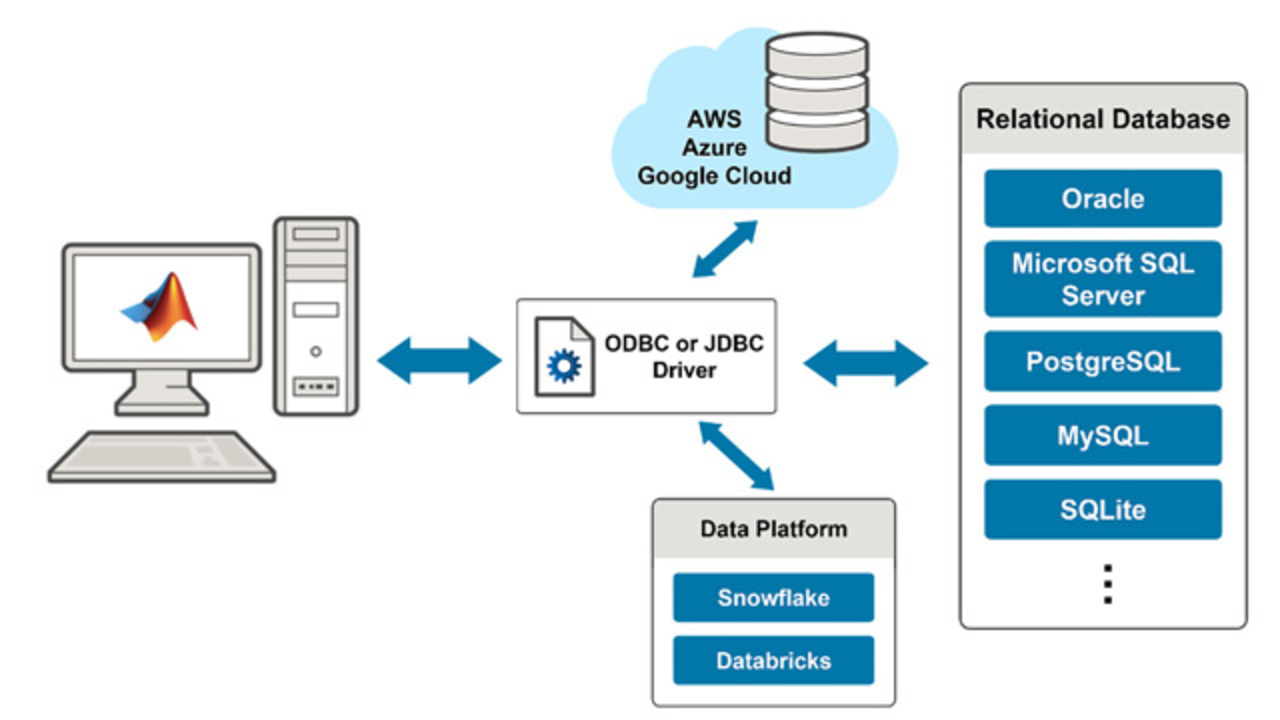
    Database Toolbox - MATLAB

    Types of databases

    • Navigational databases
    • Relational databases
    • Nonrelational databases or NoSQL databases
    • Object-oriented databases
    • Vector databases
    • Cloud databases

    Applications

    A database performs several key functions:

    • Stores large volumes of data in an organized format
    • Retrieves data quickly when required
    • Allows updates and modifications efficiently
    • Maintains consistency and integrity of data
    • Ensures data security and controlled access

    Uses

    Databases are an integral part of modern systems and are widely used across industries:
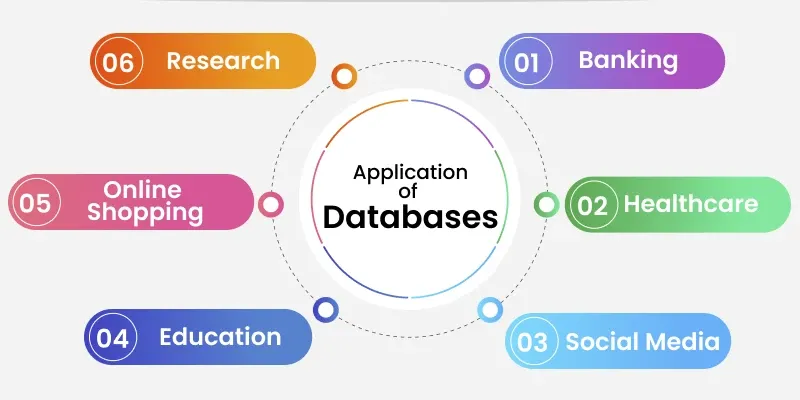
    • Social media platforms for managing user data and content
    • E-commerce systems for handling products, orders, and payments
    • Banking systems for secure transaction processing
    • Online examination platforms for managing questions and results
    • Ride-sharing applications for tracking locations and bookings
    • Analytics and AI systems for processing large datasets

    Types of Databases - GeeksforGeeks

    Importance of database

    Without a database, data management becomes inefficient and unreliable:

    • Data remains unstructured and difficult to manage
    • Retrieval becomes slow and complex
    • Risk of data loss inreases
    • System performance degrades

    With a database:

    • Data is well-organized and easily accessible
    • Applications perform efficiently
    • Systems can scale as data grows
    • Data security and reliability are improved

    Advantages of Databases

    • Fast and efficient data access
    • Improved data organization
    • Enhanced securtiy and reliability
    • Easy data updates and management
    • Supports scalability
    • Handles large datasets effectively

    Disadvantages of Databases

    • Initial setup complexity
    • Requires ongoing maintenance
    • Can involve higher costs at scale
    • Needs technical expertise
    • Poor design can impact performance

    When should a Database be used?

    A database is suitable when:

    • Large volumes of data need to be stored
    • Multiple users access the system
    • Data requires frequent updates
    • Performance and scalability are critical

    A database may not be necessary when:

    • Data volume is very small
    • Temporary storage is sufficient
    • Simple scripts can handle the requirement

    How a Database Works

    A database works by efficiently storing, processing, and retrieving data through a structured system managed by a Database Management System (DBMS).

    At a high level, the process follows three main steps:

    Data Storage

    When new data is added, it is stored in tables in an organized format. Each table contains rows (records) and columns (fields), making the data easy to manage.

    Query Processing

    When an application needs data, it sends a query to the database. The database engine analyzes the query and determines the most efficient way to retrieve the required data.

    Data Retrieval

    Logical Flow of SQL Query | SQL Through the Eye of Database | by Manoj Bidadi Raju | TDS Archive | Medium

    Conclusion

    A database is a fundamental component of modern software systems. It enables efficient data management, enhance performance, and supports scalability as applications grow.

    Understanding databases is essential for building reliable, high-performance systems.

    Ready to scale your business?

    Transform Your Digital Presence With Expert Engineering

    We build high-performance web applications, mobile apps, and AI-driven systems. Let's discuss how we can help you achieve measurable growth.

    #Web Development#App Development#SEO#Cloud Services
    WhatsApp Now
    Copyright © 2026 All rights reserved EVY Techno.